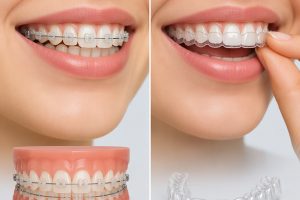
Are Cosmetic Short-Term Braces Right for Busy Adults?

Adults putting off orthodontic treatment usually cite the same two concerns: time and appearance. A treatment that takes years and looks obvious at every meeting or event feels incompatible with a full schedule, which is exactly the gap cosmetic short term braces were designed to close.
Whether this treatment fits a busy adult’s life depends less on willpower and more on a few specific factors worth understanding before committing.
What Makes Short-Term Braces Different From Traditional Treatment
Cosmetic short term braces focus specifically on the front, visible teeth rather than a full bite correction, which is why treatment often wraps up in a matter of months rather than the one to three years traditional orthodontics can require. The goal is cosmetic alignment, not the comprehensive bite adjustment a general orthodontist addresses.
Who Tends to Be a Good Candidate
Adults with mild to moderate misalignment, particularly of the front teeth, who otherwise have a healthy bite are typically strong candidates. This treatment is not designed for significant bite issues, jaw alignment problems, or severe crowding, which require a more comprehensive orthodontic approach.
How the Time Commitment Actually Compares
- Traditional braces: often twelve to thirty six months
- Cosmetic short term braces: often three to six months for eligible cases
- Fewer total appointments required over the treatment period
- Shorter treatment window with a defined cosmetic goal from the start
Why the Time Difference Doesn’t Mean a Lesser Result
What is often assumed, incorrectly, is that a faster treatment must be a lesser one. Short term braces are not a shortcut, they are a different tool applied to a more limited, specific goal. For the right candidate, the outcome is a properly aligned smile achieved without the multi year commitment full orthodontic treatment requires.
What a Busy Schedule Actually Requires During Treatment
Appointment frequency is typically similar to traditional braces during the active treatment window, usually every four to six weeks for adjustments. The advantage for busy adults is not fewer appointments, it is a dramatically shorter overall timeline, meaning fewer total appointments across the full course of treatment.
Clear Aligners or Short-Term Braces: Which Fits a Professional Schedule Better
Clear aligners are removable and nearly invisible, which some professionals prefer for client facing roles. Cosmetic short term braces are fixed and often move certain types of misalignment more efficiently in a shorter window. The right choice depends on the specific alignment issue and personal preference, which is best evaluated in a consultation.
Frequently Asked Questions
How fast can cosmetic short term braces actually work?
For eligible cases involving mild to moderate front teeth misalignment, treatment often takes three to six months, though the exact timeline depends on the individual case.
Will short term braces be noticeable at work?
They are more visible than clear aligners since they are fixed to the teeth, though many modern options use smaller, less conspicuous brackets than traditional braces.
Can short term braces fix a bite problem?
No. This treatment is designed for cosmetic alignment of visible teeth. Bite issues typically require a comprehensive orthodontic evaluation and a different treatment approach.
Is a consultation necessary before starting?
Yes. Determining candidacy requires an evaluation of the specific misalignment to confirm short term braces will achieve the desired result within the expected timeline.
Final Thoughts
For adults with mild to moderate misalignment and a limited amount of time to commit, cosmetic short term braces offer a faster path to a straighter smile without the years long timeline of traditional orthodontics. Dr. Sharon Schindler has helped busy Columbus professionals achieve straighter smiles efficiently for over 35 years. Call 614-586-0609 to find out if you’re a candidate.