Am I a Good Candidate for a Smile Makeover? Key Signs to Know

Most people who eventually get a smile makeover spend months, sometimes years, wondering if their situation qualifies before ever booking a consultation. The truth is that candidacy has less to do with how severe a smile concern looks and more to do with the underlying health of the teeth and gums involved.
Understanding the actual signs a cosmetic dentist looks for removes a lot of the guesswork that keeps people stuck in the research phase longer than necessary.
Healthy Gums Matter More Than Perfect Teeth
The single biggest candidacy factor is gum health, not how crooked, discolored, or worn the teeth themselves appear. Veneers, bonding, and crowns can all address significant cosmetic concerns, but they are placed on top of or bonded to existing teeth, which means the gum tissue supporting those teeth needs to be stable and free of active disease first.
Patients with early signs of gum disease are still candidates for a smile makeover, but that underlying issue typically needs to be addressed before cosmetic work begins, not instead of it.
Multiple Concerns Do Not Disqualify You
A common misconception is that a smile makeover only makes sense for people with one isolated issue, like a single chipped tooth. In practice, patients combining several concerns, such as discoloration, minor gaps, and an uneven gumline, are often the best candidates, since a coordinated plan can address all of it in a single sequenced treatment rather than several disconnected visits over time.
Age Is Rarely the Deciding Factor
Adults in their 30s, 50s, and 70s can all be strong smile makeover candidates, since the procedures themselves depend on the current condition of the teeth and gums rather than the patient’s age. What matters more is how well existing dental work has held up and whether any structural issues have developed over time.
Signs You Are Likely a Strong Candidate
- You avoid smiling fully in photos or during conversations because of how your teeth look
- You have no active gum disease or untreated tooth decay
- You have specific concerns, like discoloration, chips, gaps, or an uneven smile, that bother you consistently rather than occasionally
- You are looking for a long term cosmetic solution rather than a quick temporary fix
- You are willing to attend the consultation and planning visits needed to design a coordinated result
Signs You May Need a Preliminary Step First
Active gum disease, untreated decay, or significant bite misalignment typically need to be addressed before cosmetic procedures begin, not because they disqualify a patient permanently, but because building cosmetic work on top of an unstable foundation shortens how long the results last.
This is one of the most common findings during an initial consultation, and it is far more common than patients expect, which is why an in person evaluation matters more than self diagnosing from a mirror.
What Happens During a Candidacy Evaluation
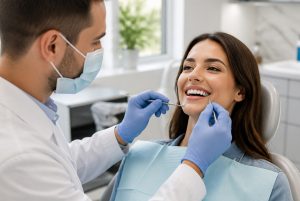
A cosmetic consultation typically includes a full exam, digital photographs, and a conversation about specific goals. From there, the dentist can identify whether any preliminary treatment is needed and how a coordinated smile makeover plan would be sequenced for your specific case.
Frequently Asked Questions
Do I need perfectly healthy teeth to get a smile makeover?
No, many smile makeover patients have some combination of discoloration, minor damage, or unevenness. What matters most is that any active gum disease or decay is addressed first, since cosmetic work is placed on top of the existing teeth and gums.
Is there an age limit for a smile makeover?
There is no upper age limit for smile makeovers. Candidacy depends far more on the current condition of your teeth and gums than on your age.
Can I get a smile makeover if I have several different concerns at once?
Yes, patients with multiple concerns are often excellent candidates, since a coordinated treatment plan can address several issues together rather than requiring separate, disconnected procedures over time.
What disqualifies someone from a smile makeover?
Very few situations permanently disqualify a patient. Active gum disease or untreated decay typically needs to be addressed first, after which most patients become strong candidates for cosmetic treatment.
How do I find out if I’m a candidate without committing to treatment?
A cosmetic consultation is a no commitment way to get an honest evaluation. It typically includes an exam, photographs, and a conversation about your specific goals before any treatment decisions are made.
The Bottom Line
Smile makeover candidacy depends far more on the health of your gums and teeth than on how severe your cosmetic concerns look. Dr. Sharon Schindler has evaluated thousands of Columbus patients over 35 years to build treatment plans around what each individual smile actually needs. Call 614-586-0609 to find out if you’re a candidate.